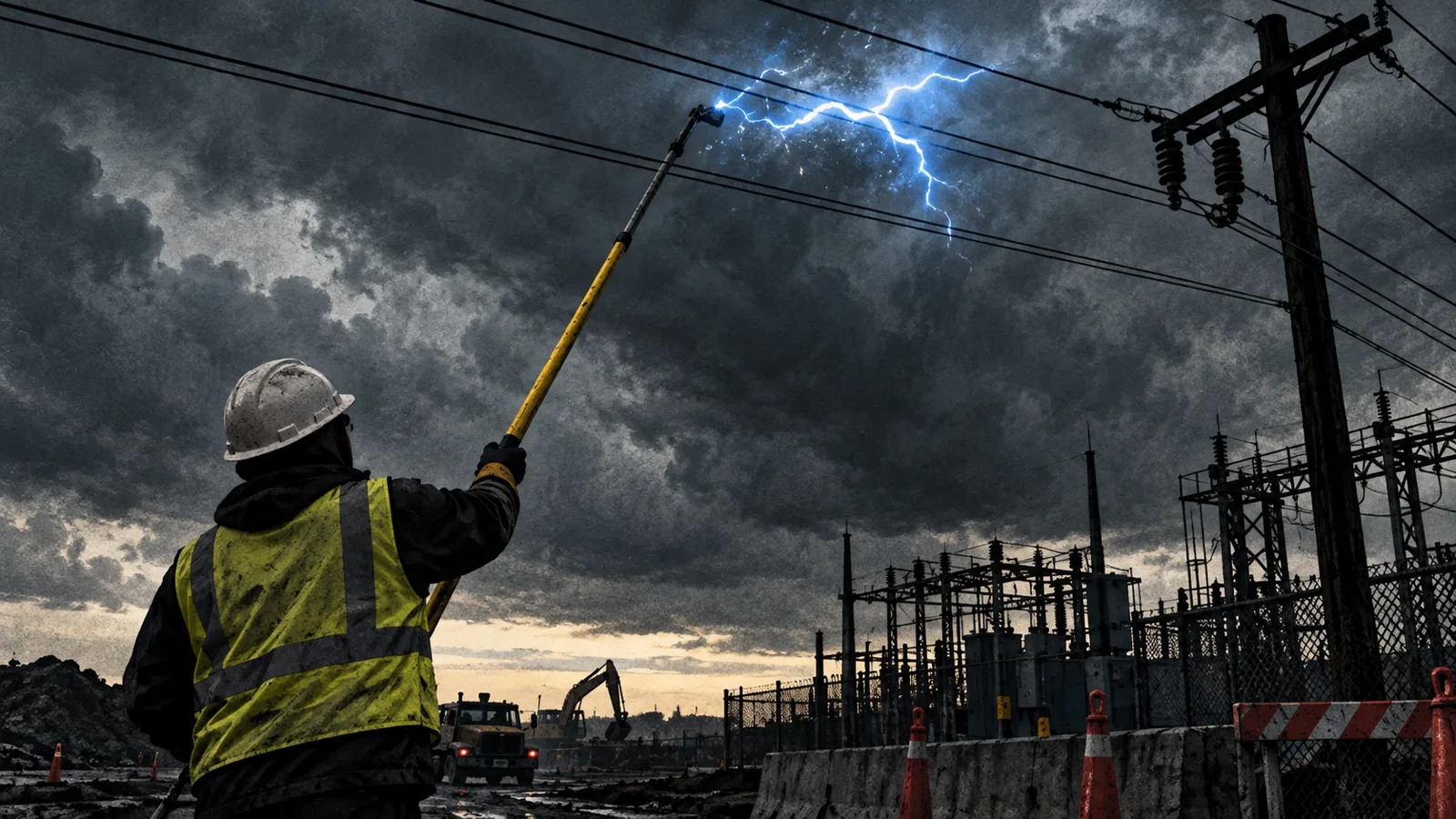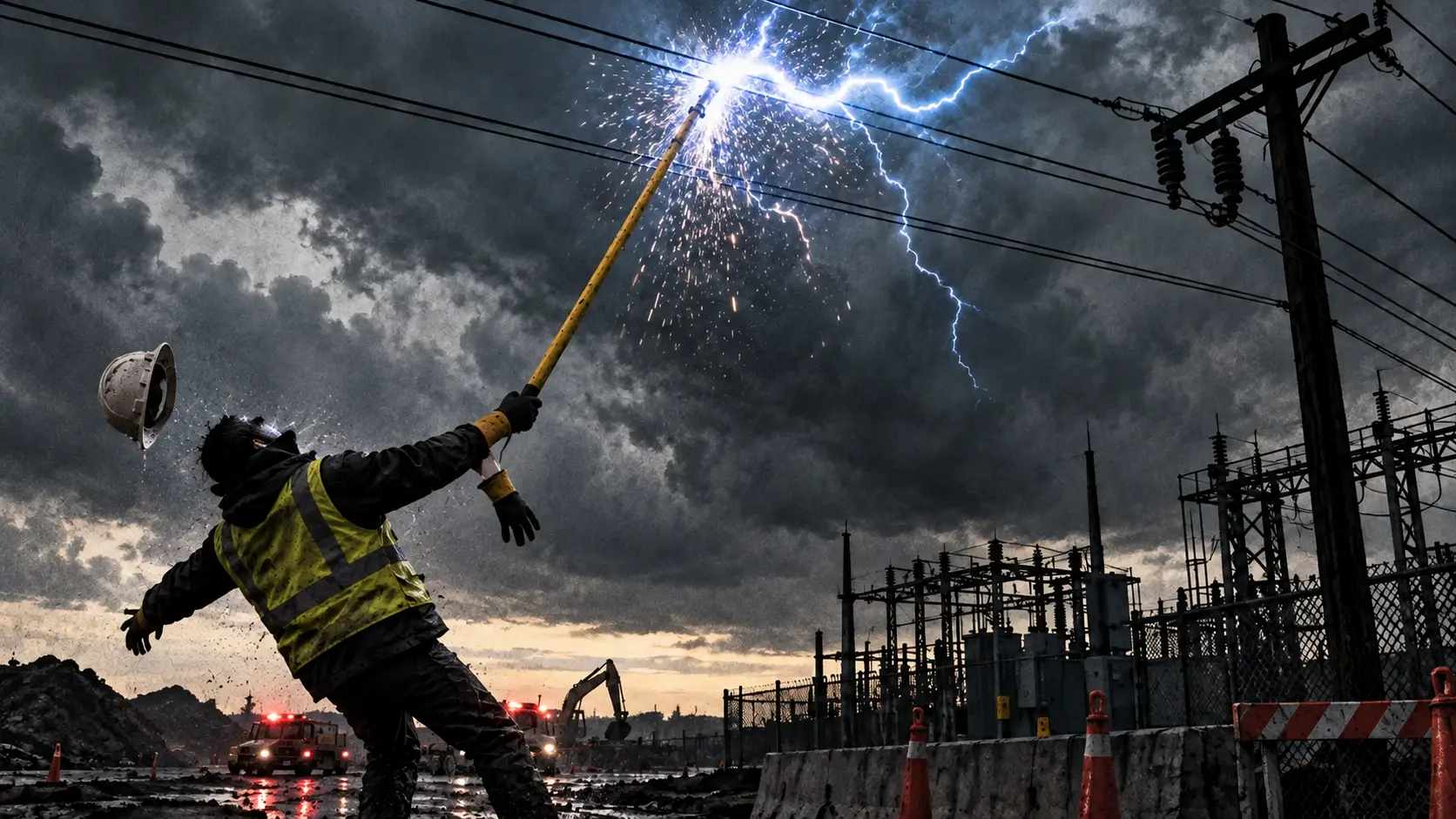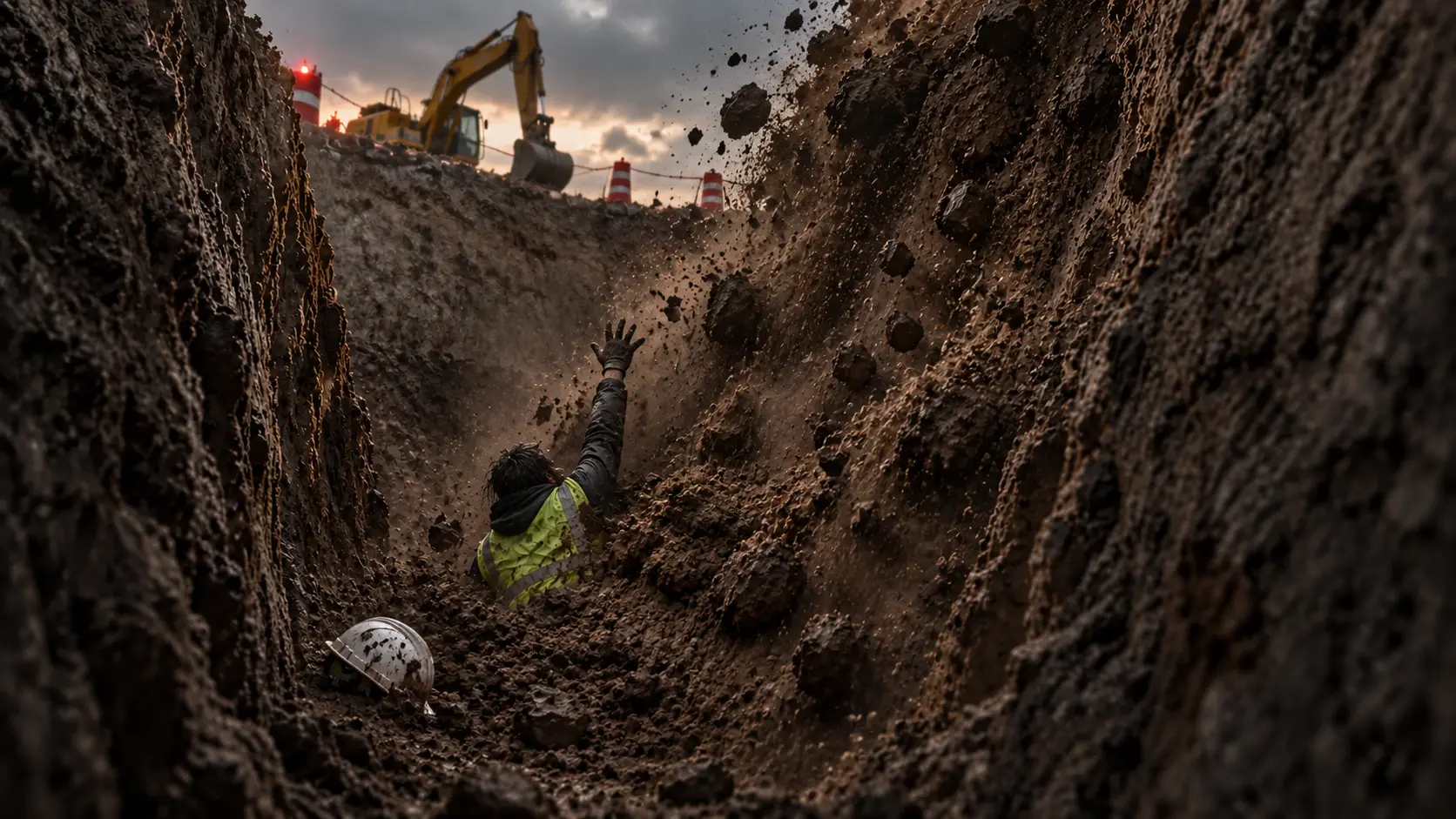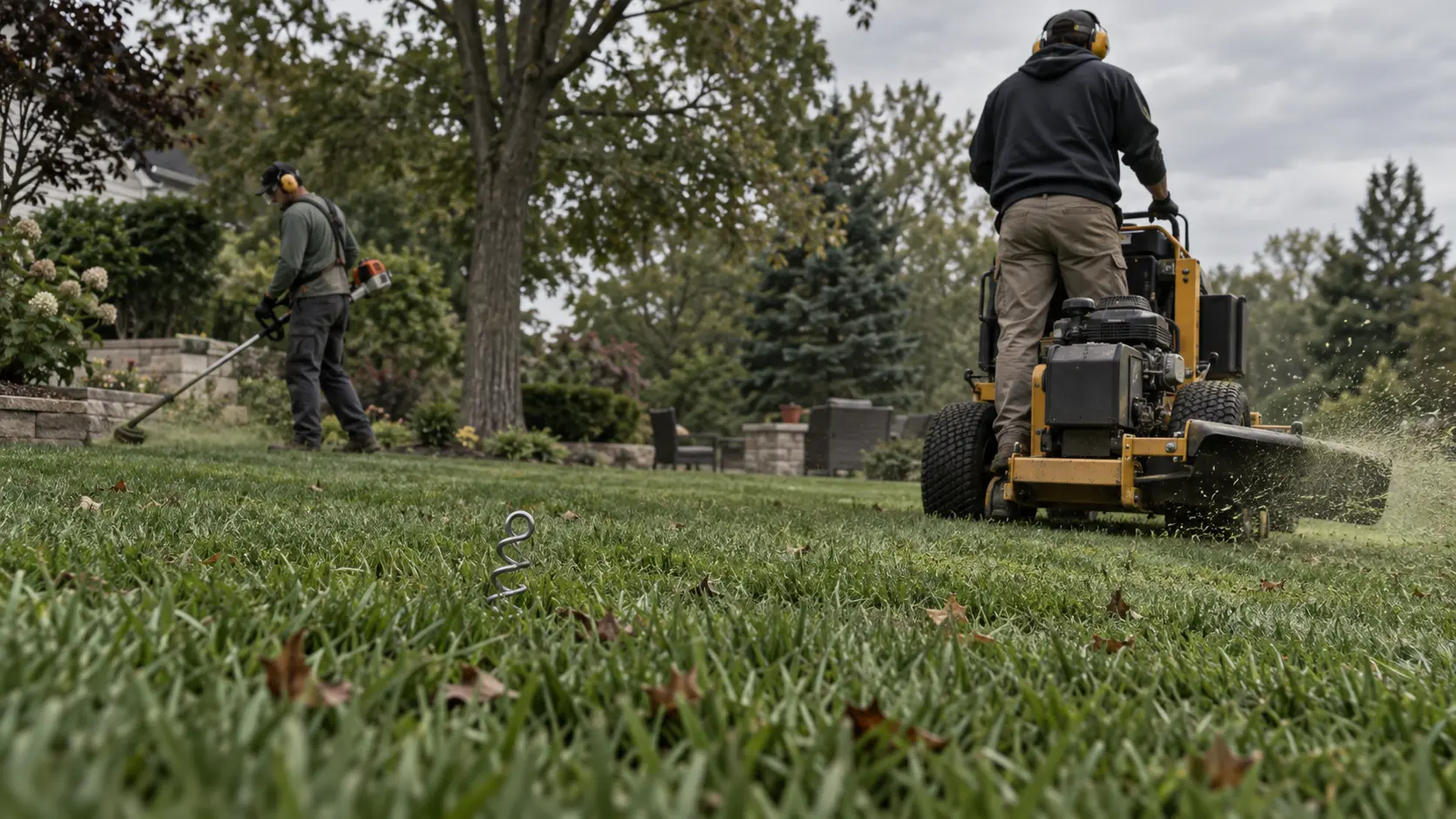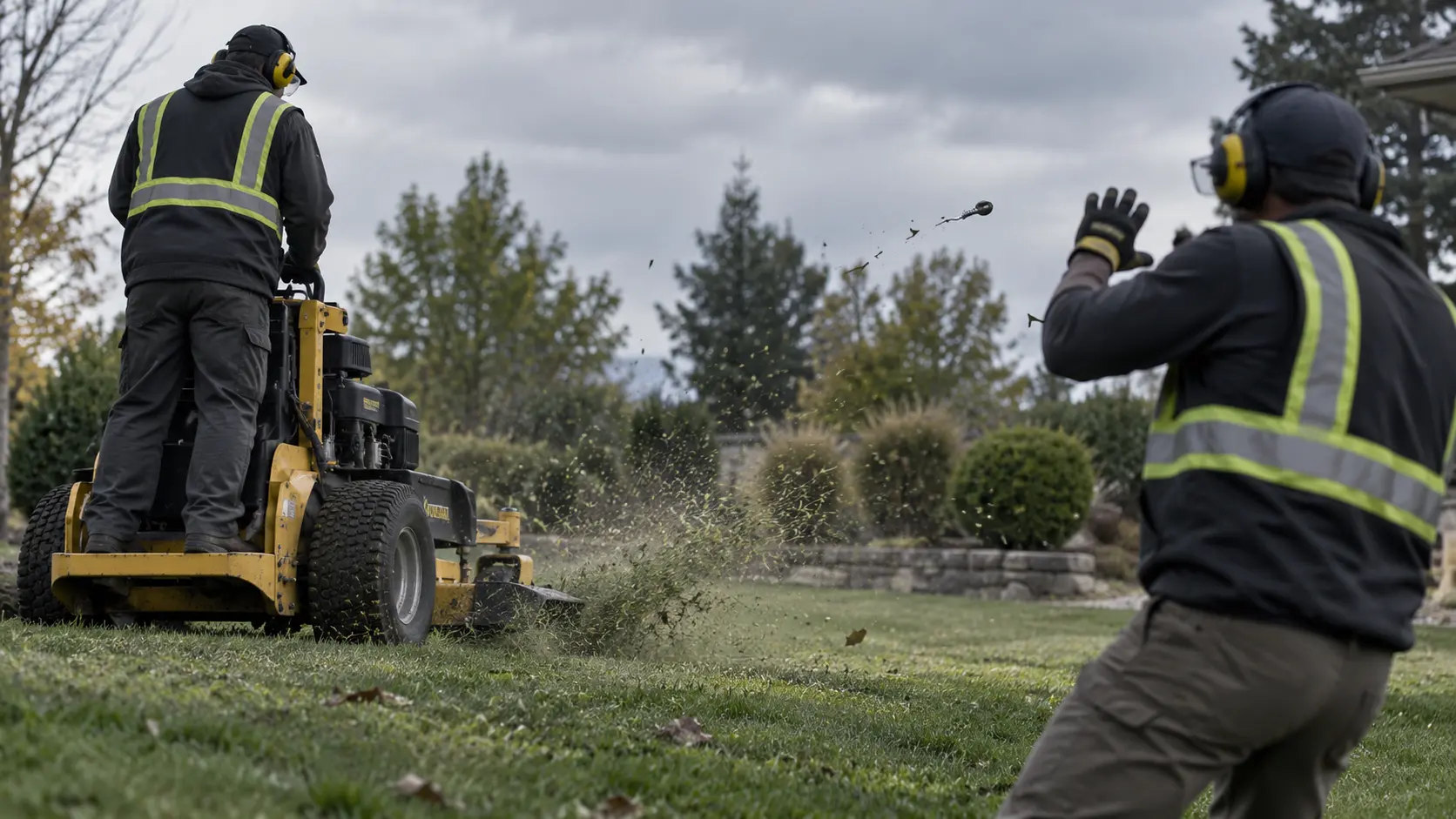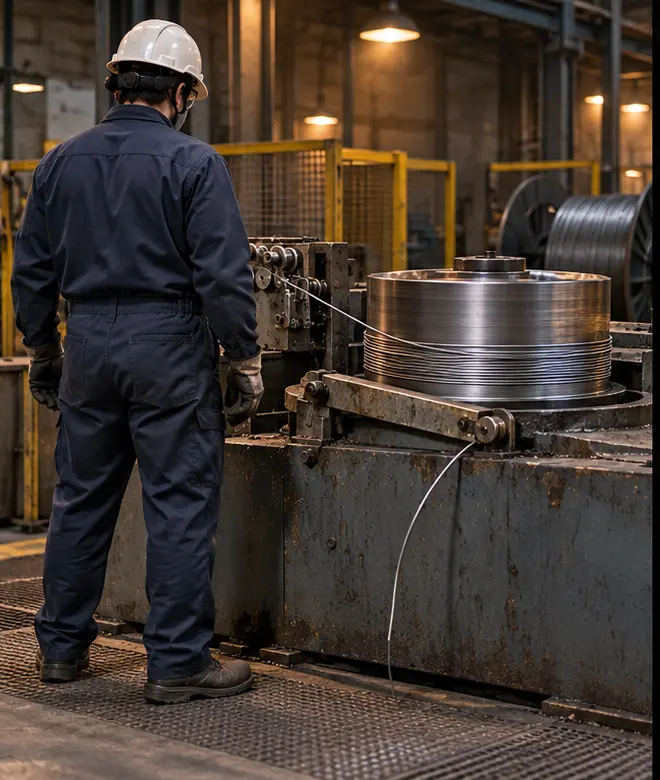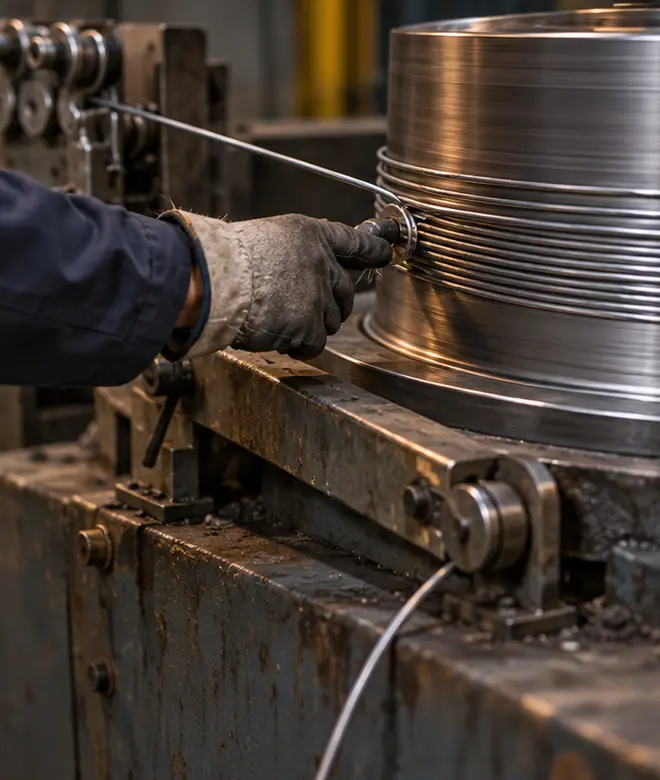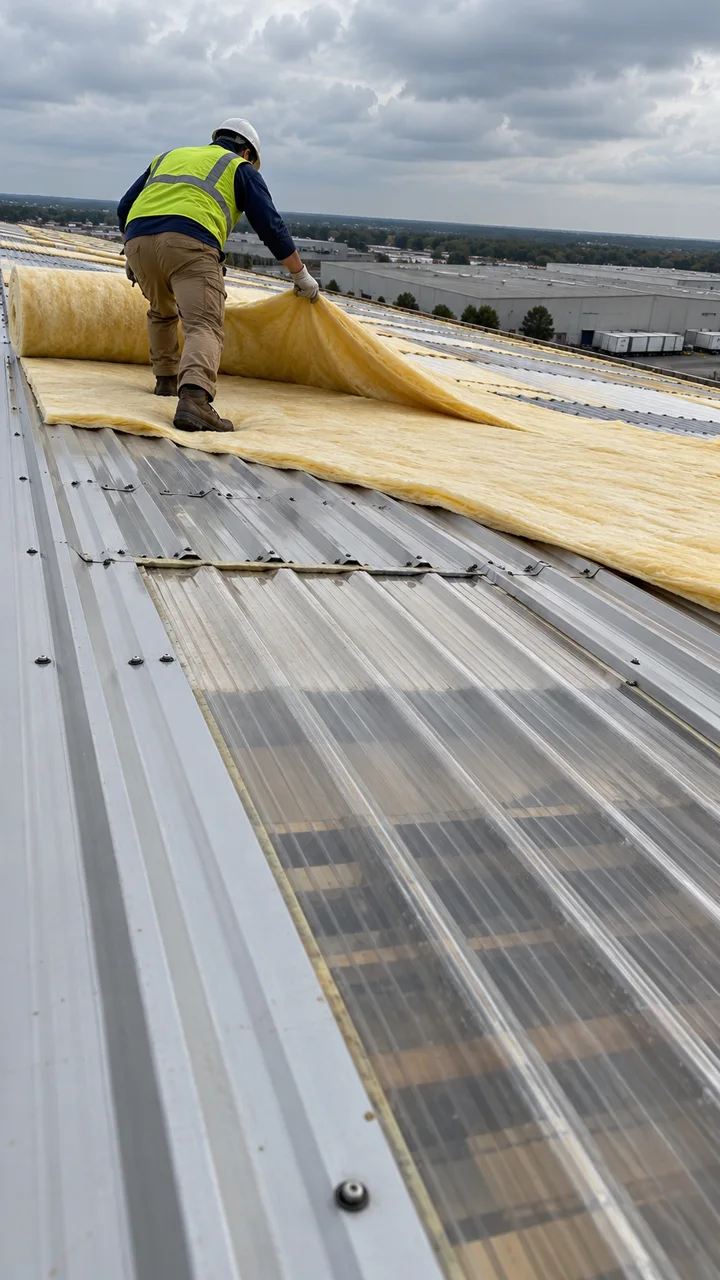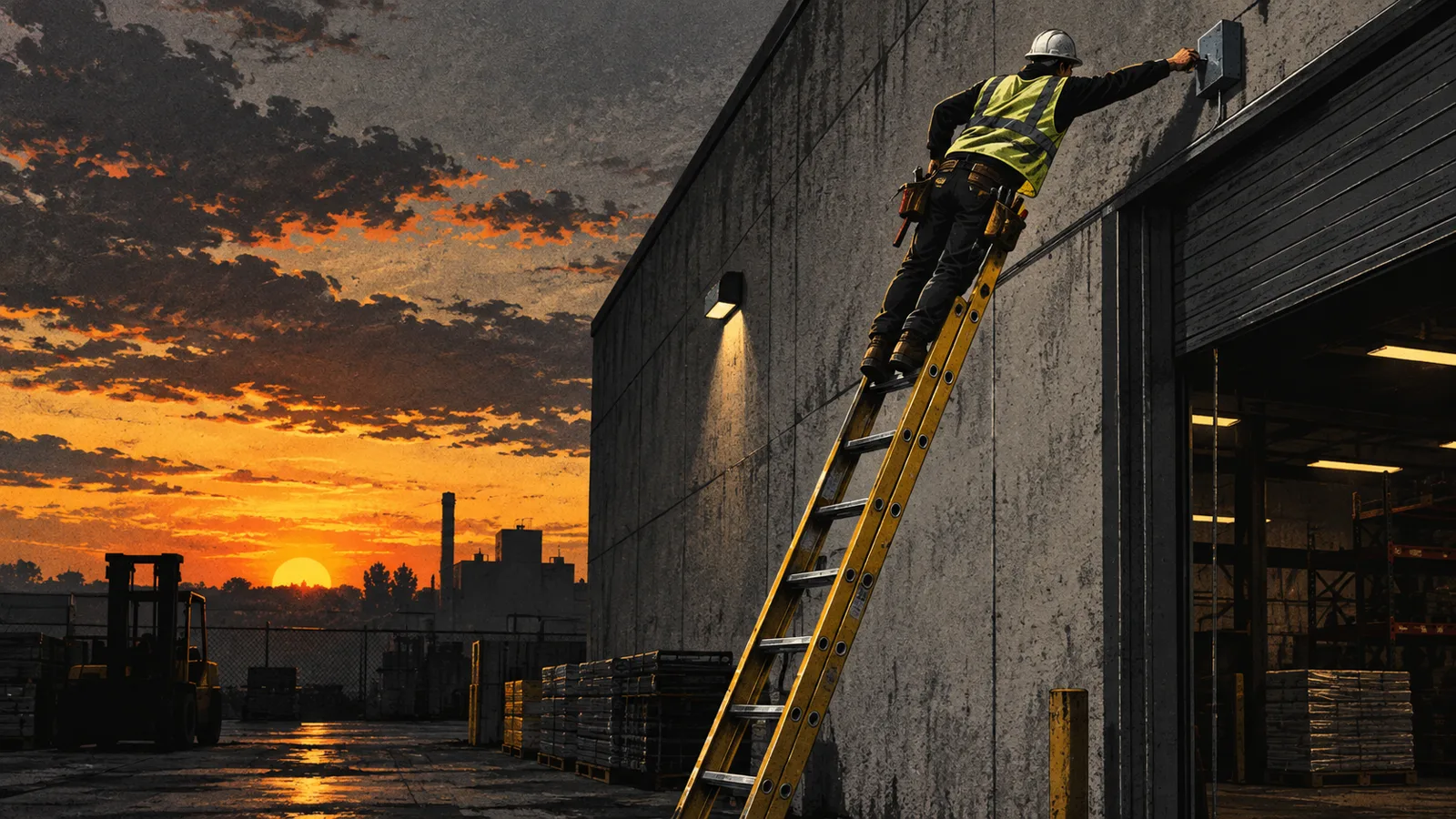
01A · Before the accident
01B · The accident
01
Video + case study
Before the accident
The accident
Hey. We’re Morbid Safety.
We show what happened, what went wrong, and what could have stopped it. Short films. Plain-English lessons. No safety degree required.
Anonymous reenactments · Non-graphic · Based on public investigations
Why this exists
No safety degree required. The facts come from public investigations. The people and workplaces shown are anonymous reenactments—not the real workers or accident scenes.
Start here
Watch what happened. See what failed. Learn what could keep another worker alive.
01A · Before the accident
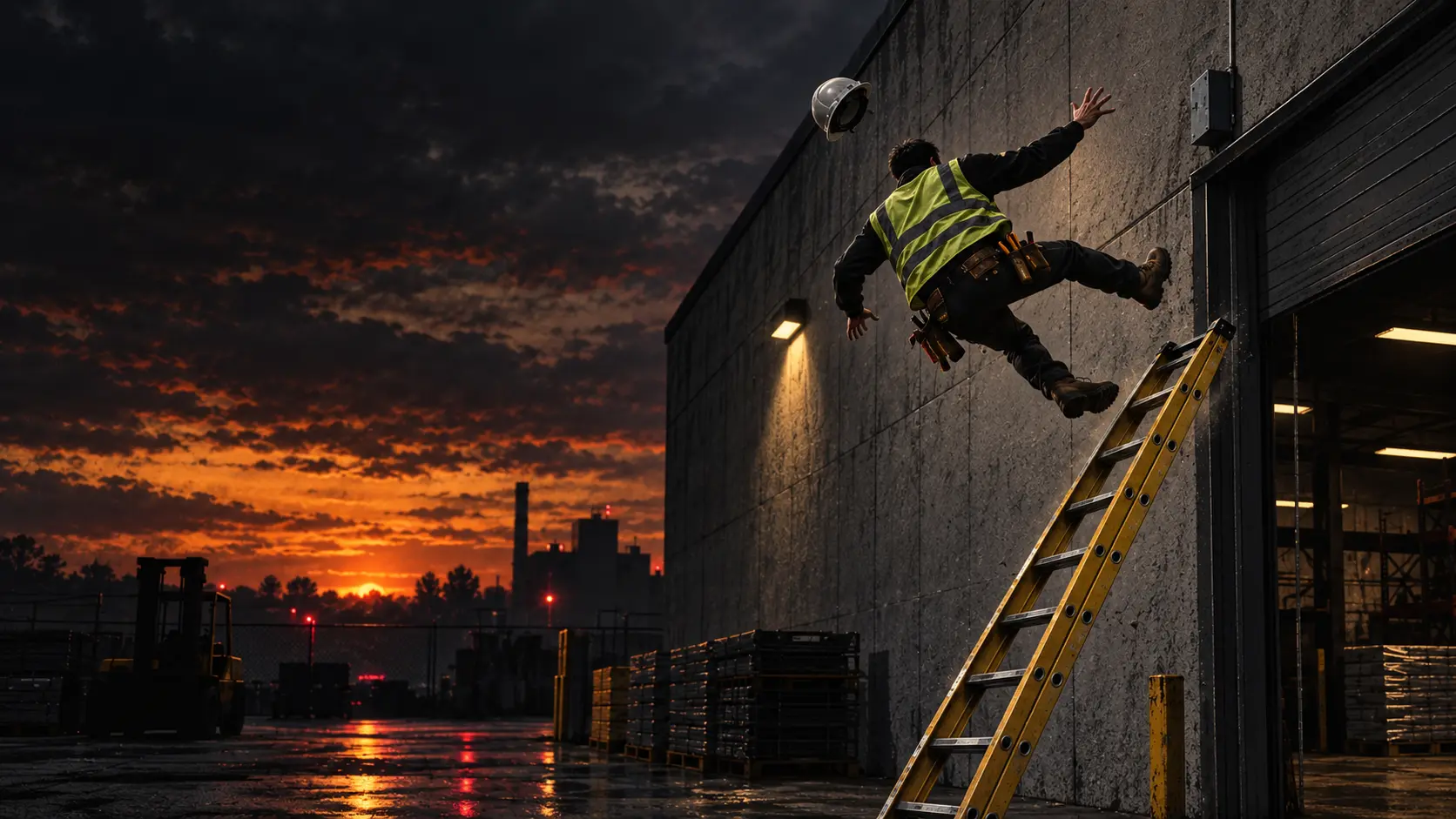
01B · The accident
01
Video + case study
02A · Before the accident
02B · The accident
02
Video + case study
03A · Before the accident
03B · The accident
03
Video + case study
04A · Before the accident
04B · The accident
04
Video + case study
05A · Before the accident
05B · The failure begins05Captioned film + case study
06A · Before the accident
06B · The skylight fails06Captioned film + case studyHow we do this
We use public investigations from federal OSHA, state safety agencies such as Cal/OSHA, and worker-fatality investigation programs.
We do not use real names, faces, employers, or accident locations. The reenactments show the danger and the consequence without pretending to be evidence.
Every case points to the actions, equipment, and safeguards that could keep the next worker alive.
We turn the record into a short, memorable story workers and supervisors can watch, share, and discuss before the next job begins.
Prevention lessons
Every case ends with practical controls drawn from the investigation, applicable safety rules, and clearly labeled professional judgment.
Change the access method, isolate the energy, guard the machine, or protect the occupied work zone before relying on a worker’s reaction.
See the case filesHazard reviews, qualified people, competent-person inspections, and stop-work authority must exist before anyone enters the danger zone.
PPE and safety equipment must match the actual task, instructions, and exposure. They support the control plan; they do not replace it.
Education—not job-specific approval. Use each case to start the conversation, then apply the rules, training, manufacturer instructions, and qualified review required for the actual work.
Morbid Safety